WBC3 Crew Qualifications — What Your Crew Actually Need
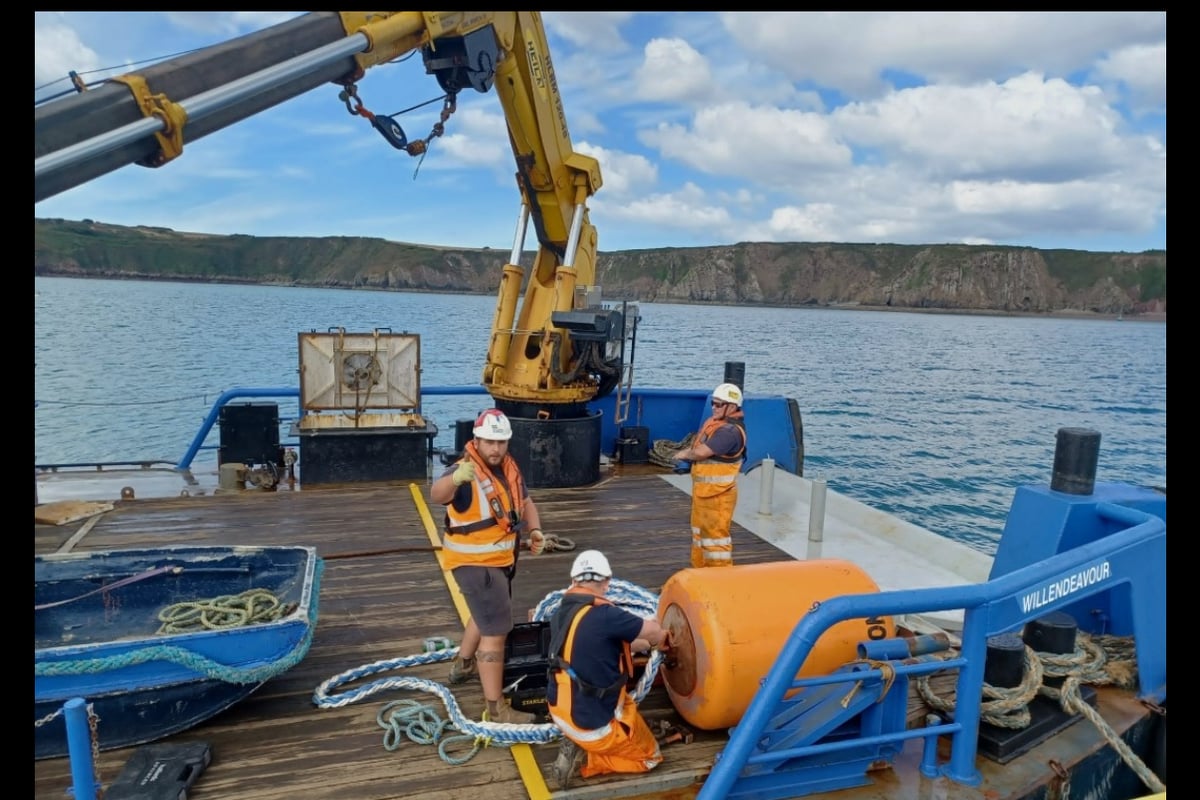
One of the most common questions from workboat operators is: "What certificates do my crew need?" WBC3 sets out clear requirements, but they vary depending on the vessel's area category, size, and equipment. Here's the breakdown.
Key points:
- Every crew member must hold a valid medical certificate (ML5/ENG1) and sea survival training
- Master qualifications vary by area category (from PB Level 2 for Cat 6 to STCW Master for Cat 0)
- At least one crew member must hold fire fighting, first aid, and radio operator certificates
Mandatory for Every Person on Board
These apply to everyone employed or engaged in any capacity on the vessel — Master, crew, deckhands, trainees. No exceptions.
Medical fitness certificate Every crew member must hold a valid ML5 or ENG1 medical certificate. ML5 is acceptable for Cat 3–6 domestic operations. ENG1 is required for Cat 0–2 or international voyages.
If a crew member doesn't have a valid medical certificate, they cannot legally be on board as crew. The Code uses the words "anyone employed or engaged in any capacity" — there are no exceptions. If someone is on the vessel for work purposes without a valid medical certificate, the vessel is non-compliant and can be detained.
Sea Survival training Every crew member must have completed RYA Basic Sea Survival or MCA-approved Personal Survival Techniques.
These two are the absolute baseline. Without them, a person is not legally crew — they would need to be classified as a passenger. And passengers count toward your 12-person limit and affect stability calculations, so this isn't just a technicality.
Master Qualification
The Master (or Skipper) must hold a Certificate of Competency appropriate to the vessel's area category. The minimum varies:
| Category | Minimum Qualification |
|---|---|
| Cat 0 | STCW Master or Yachtmaster Ocean |
| Cat 1 | Yachtmaster Offshore |
| Cat 2 | Yachtmaster Coastal, Boatmaster, PB Advanced |
| Cat 3 | Yachtmaster Coastal, Boatmaster, PB Advanced |
| Cat 4 | Day Skipper (daylight only) or PB Advanced |
| Cat 5 | PB Advanced (Day Skipper not valid — night operations) |
| Cat 6 | PB Level 2 (open boats under 3GT only), Day Skipper, or above |
All RYA certificates must carry a commercial endorsement. This requires a valid medical certificate, sea survival training, and the RYA Professional Practices and Responsibilities (PPR) course.
Important: RYA Powerboat Level 2 is only valid for Cat 6 on open boats, RIBs, and inflatable boats under 3GT. It is not valid for any other category. This is a significant change from the old MGN 280, where PB Level 2 was more widely accepted. If you or your skipper currently hold PB Level 2 and operate beyond Cat 6, you will need to upgrade to at least Powerboat Advanced or Day Skipper before transitioning to WBC3.
At Least One Crew Member Must Hold
These are collective requirements — at least one person on board must have them, but not necessarily everyone.
Fire Fighting certificate For vessels under 15m: at least one crew member must hold an MCA-approved fire fighting certificate. For vessels 15m and over: all crew must hold it.
Elementary First Aid For Cat 2–6: at least one crew member. For Cat 0–1: a higher standard applies — the Master (or another crew member) must hold Proficiency in Medical Care.
Radio Operator certificate At least one person on board must be qualified for distress and safety radio communication. Short Range Certificate (SRC) for VHF, or ROC/GOC for GMDSS.
The key word here is "at least one." These don't need to be held by every crew member — but someone on board must have them. The practical question to ask before every departure is: if the one person holding the fire fighting certificate isn't available for this trip, can you still sail? The answer is no — you need to make sure the coverage is there for every voyage, not just on paper.
Also note the 15m threshold for fire fighting. On vessels under 15m, only one person needs the certificate. On vessels 15m and over, every crew member needs it. That's a significant jump in training costs if your vessel is right on the boundary.
Conditional Requirements
These depend on the vessel's equipment and operations:
- Radar/ARPA training — required when radar is fitted (Master and crew likely to use it)
- ECS training — required when electronic chart plotters are fitted (Master and navigational watch crew)
- Stability training — Master only, when the vessel has a Stability Information Booklet
- Catering training — all crew who prepare food
- MGO Transfer training — all crew on vessels conducting fuel transfer operations
Second Person
Every crewed voyage (unless single-handed operations are permitted) requires a second person on board:
- Cat 0: Must hold Yachtmaster Offshore or equivalent
- Cat 1: Must hold Yachtmaster Coastal
- Cat 2: Deemed competent by the Master
- Cat 3–6: Experienced and competent at the owner/operator's discretion
What About PSSR?
What About Trainees?
WBC3 defines "crew" as anyone employed or engaged in any capacity on the business of the vessel. A trainee on board for training purposes is crew — the medical fitness and sea survival requirements apply to them in full. There is no trainee exemption.
Read next: Keeping Your WBC3 Certificate Valid →
Sources: WBC3 Sections 28.1.1–28.1.8. Tables A5.1, A5.2, A5.3. Table A5.1 Notes H, 1, 3.